Discover why September and October are some of the best times to experience Scilly’s incredible wildlife, from migrating birds and hidden coastal paths to wild swims, island adventures and peaceful days surrounded by nature.
There’s something magical about the Isles of Scilly in autumn. The summer crowds have drifted away, the days are still beautifully bright, and the islands begin to slow into a quieter rhythm. The beaches are peaceful, the sea is often still warm enough for a swim, and the landscape becomes a haven for wildlife.
For birders, September and October are some of the most exciting months of the year. As birds migrate across the Atlantic, the islands become a stopping point for thousands of visitors - including some rare and unexpected arrivals carried in by autumn winds.
The Isles of Scilly's spectacular coastline provides a home for an incredible variety of seabirds throughout the year. Depending on the season, you might spot gannets diving offshore, oystercatchers along the shoreline, cormorants drying their wings on rocky outcrops, or kittiwakes and razorbills nesting around the islands.
But you don’t need to be an expert birder to enjoy Scilly in autumn.
Whether you’re a lifelong wildlife enthusiast with a telescope packed in your bag, or someone who enjoys spotting birds on a coastal walk, the Isles of Scilly offer the perfect place to reconnect with nature, slow down and experience one of the UK’s most unique wildlife destinations.
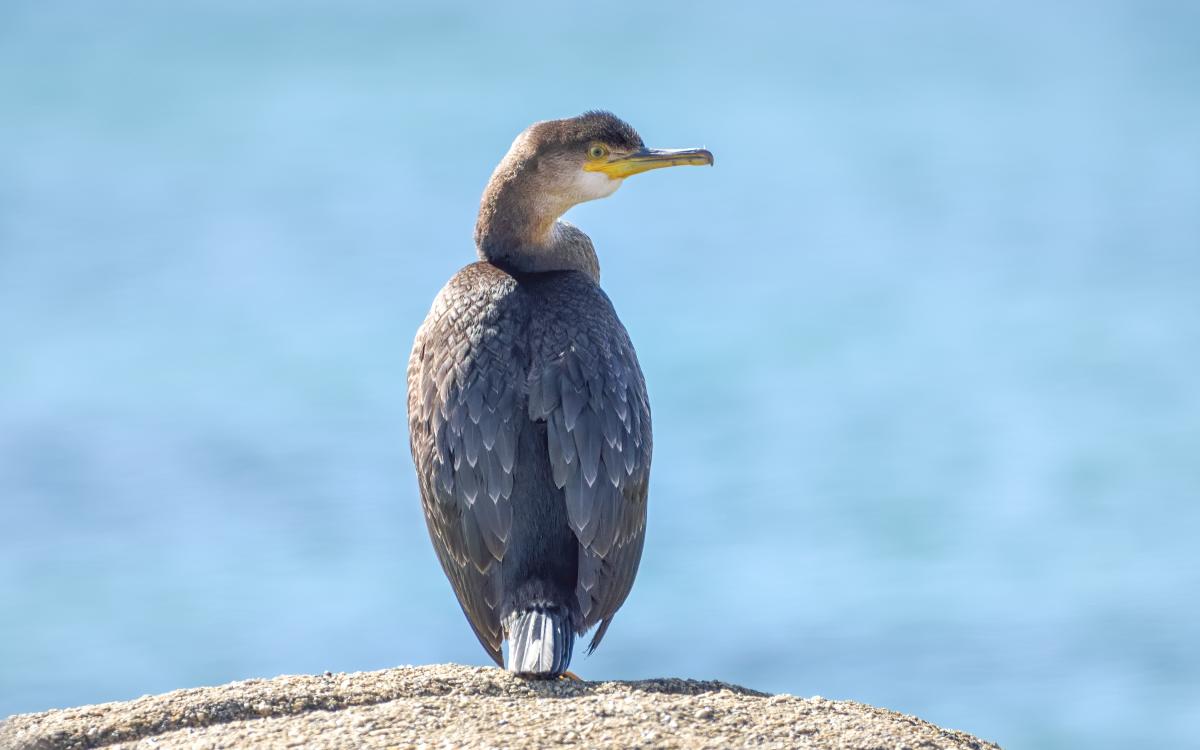 Image credit: Mark Barnwell
Why Visit the Isles of Scilly for Birding in September and October?
Sitting 28 miles off the coast of Cornwall, the Isles of Scilly are perfectly positioned for bird migration. The islands’ location in the Atlantic means they act as a natural stopping point for birds travelling thousands of miles, particularly during the autumn migration season.
From September onwards, the islands become a hive of activity as summer visitors prepare to leave and migrating birds arrive from across Europe - and sometimes much further afield.
This is when birding on Scilly becomes particularly exciting. You never quite know what you might see.
One morning you could be watching seabirds gliding over the coastline, spotting waders feeding along the shoreline or exploring quiet lanes surrounded by woodland and gardens. Next, you might hear about a rare visitor who has arrived overnight.
That element of surprise is part of what makes birding on Scilly so special.
The best part? You don’t need specialist knowledge to enjoy it. The islands are full of accessible walks, peaceful beaches and wildlife-rich spots where simply slowing down and looking around can reveal something incredible.
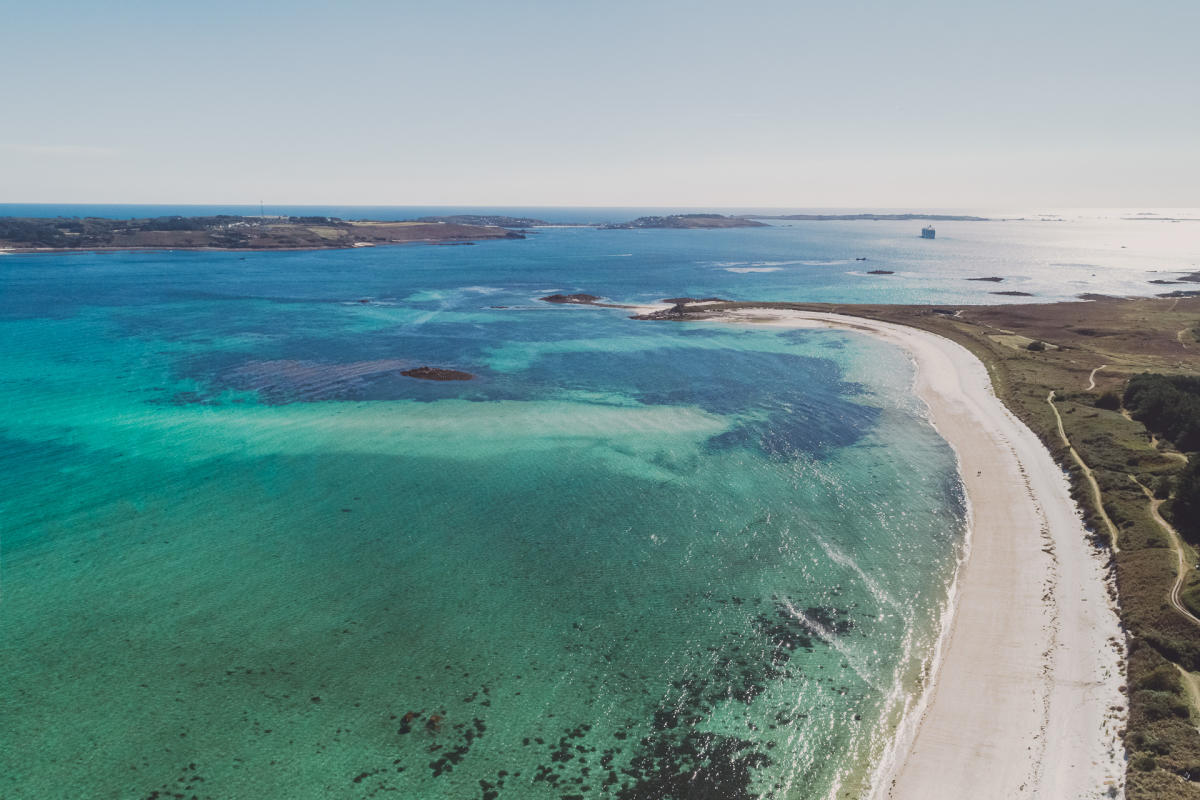 Image credit: PT Creative
How to Get to the Isles of Scilly With Your Birding Equipment
Getting to Scilly is part of the adventure. You can travel by ferry from Penzance aboard the Scillonian III or fly with Skybus from Land's End Airport, Newquay or Exeter (depending on seasonal schedules and copy accurate at time of publication) with Isles of Scilly Travel. You can also fly from Penzance to St. Mary's or Tresco with Penzance Helicopters in under 20 minutes.
For birders, the journey itself offers opportunities to spot wildlife. Keep your binoculars close when crossing the sea - you may spot seabirds, dolphins or other marine life along the way.
If you’re bringing more serious equipment, such as a telescope and tripod, it’s worth planning ahead:
- Travelling on Scillonian III: allow extra time for boarding and keep valuable equipment protected in a waterproof bag.
- Flying: check luggage allowances before travelling, especially if bringing larger equipment.
- Keep essentials accessible: binoculars, camera, waterproofs and a notebook should be packed somewhere easy to reach rather than buried in your luggage.
- Pack light where possible: Scilly is a place for walking, exploring and island hopping, so a comfortable backpack is often more useful than heavy luggage.
For first-time birders, a simple pair of binoculars is more than enough to get started - you’ll be amazed how much more you notice when you take the time to look.
Get more information on travel to Scilly here.
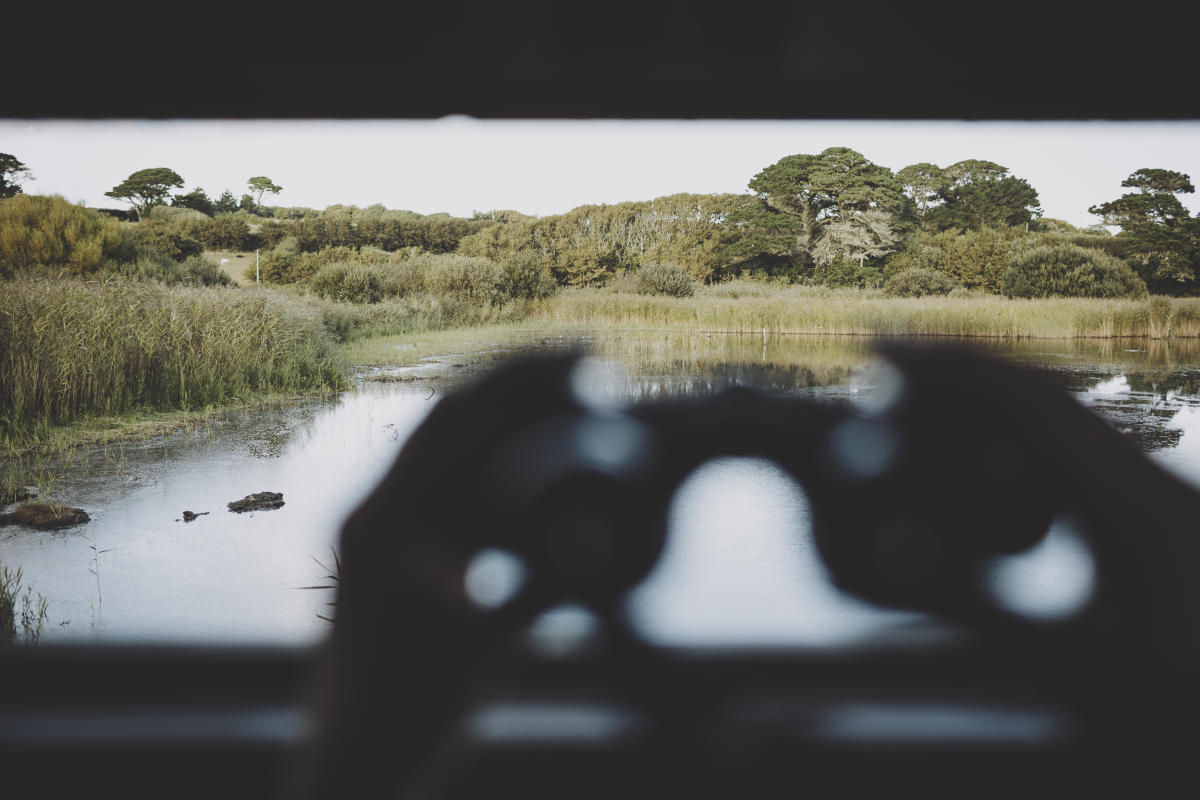 Image credit: PT Creative
Birding Packing Checklist: What to Bring
Autumn on Scilly can bring everything from bright sunshine to Atlantic showers, so packing for all conditions is key.
Your birding essentials:
✓ Binoculars
✓ Camera or smartphone with a good zoom
✓ Waterproof jacket
✓ Comfortable walking shoes
✓ Layers for changing weather
✓ Notebook for recording sightings
✓ Bird identification guide or app
✓ Reusable water bottle or flask
✓ Sun protection (yes, even in autumn!)
✓ Small backpack for day trips
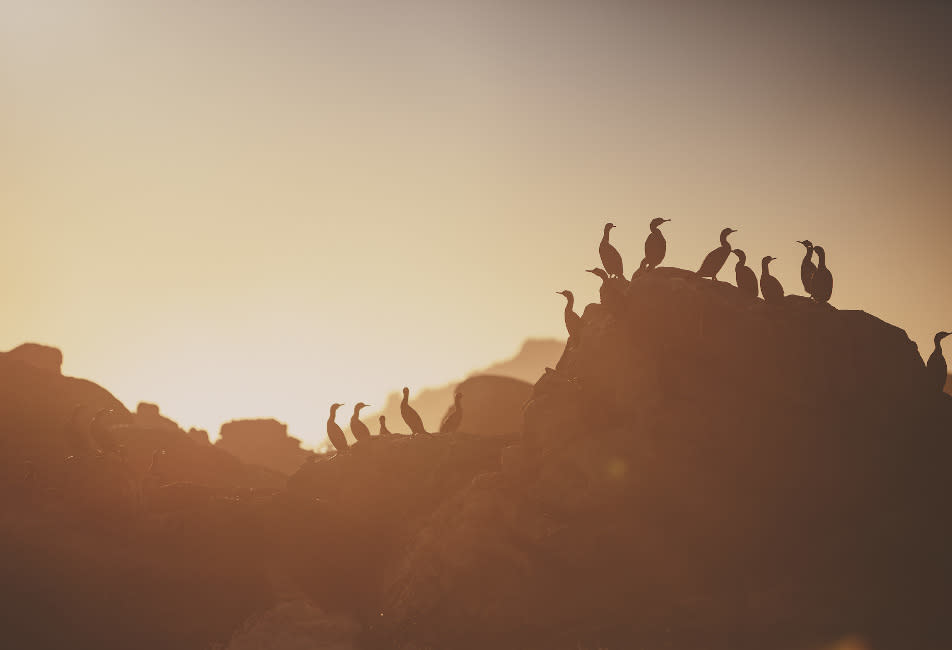 Image credit: PT Creative
What Birds Can You See on Scilly in September and October?
Autumn is when Scilly truly comes alive for birders, with visitors travelling from across the UK hoping to catch a glimpse of the rare migrants that can arrive on the islands during peak migration season. Thanks to its position in the Atlantic, Scilly has a long history of welcoming unexpected visitors, with birds sometimes travelling thousands of miles off course before reaching these shores.
In recent years, the islands have made national birding headlines, including in 2022 when a Blackburnian warbler was discovered on Bryher - the first recorded sighting of this American species in England. Other notable autumn arrivals have included species from across the Atlantic, such as black-and-white warbler, Swainson’s thrush, indigo bunting and red-eyed vireo. But it’s not just the rare finds that make autumn birding on Scilly so special; even a quieter day can bring sightings of fascinating migrating species, from wrynecks and redstarts to yellow-browed warblers and little buntings.
Every visit offers the possibility of discovering something new - and that sense of surprise is what keeps birders returning to Scilly year after year. You can expect to see:
Seabirds and coastal species
With miles of coastline and surrounding ocean, Scilly is a fantastic place to spot seabirds. Look out for species flying offshore, resting on rocky outcrops or feeding around the islands.
Waders and shorebirds
The islands’ beaches, rocky shores and wetlands provide important feeding areas for migrating waders.
Migrating songbirds
Woodlands, gardens and sheltered valleys become important resting points for smaller migrating birds travelling south.
Rare visitors
Scilly has a long reputation among birders as one of the UK’s best places to discover rare migrants. Birds arriving from North America are occasionally spotted after crossing the Atlantic, making autumn visits especially exciting for keen birders.
Beyond birds, keep your eyes open for the rest of Scilly’s wildlife too. Grey seals, dolphins and marine life can all add to the experience.
Top tip: don’t rush. Some of the best wildlife moments happen when you simply sit quietly and let nature come to you.
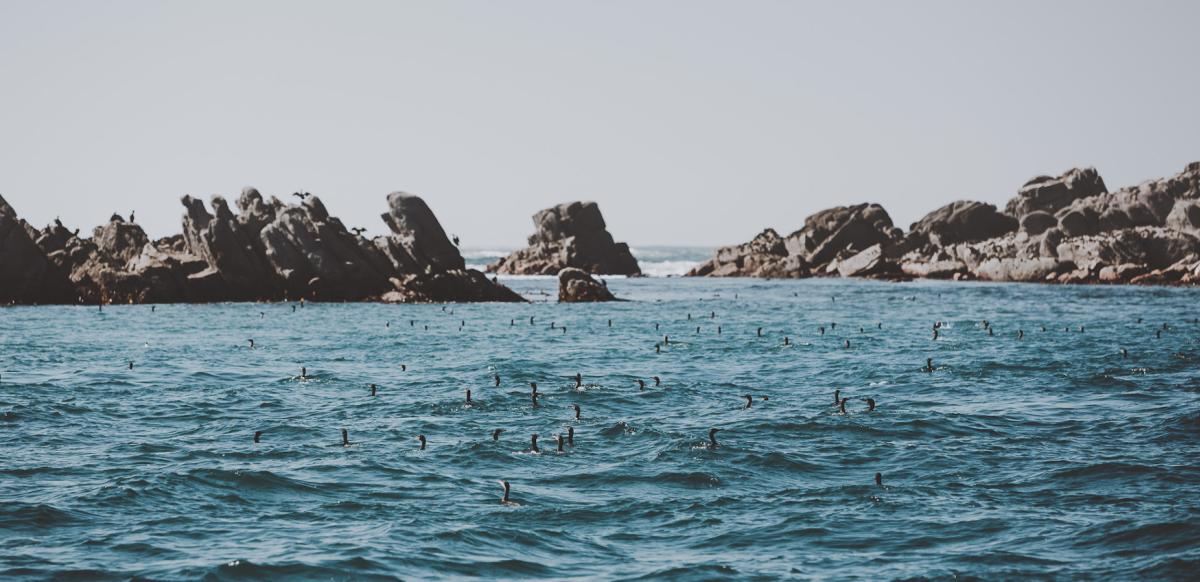 Image credit: PT Creative
Where to Go Birding on the Isles of Scilly: Insider Tips from Local Experts
Will Wagstaff from Island Wildlife Tours
Leader of Island Wildlife Tours and Hon President/Chairman of the Isles of Scilly Bird Group, Will, shares his expertise on birding on Scilly:
"Scilly is one of the best places to go birding, especially in the autumn, where, if the weather is right, we can get birds from almost anywhere it seems. Scilly has a list of over 450 species seen on the islands, the majority of which are migrants. Some pass through the islands on a regular basis; others are rarities of various extremes and thus a good draw for those birders with an interest in such birds. We also get a lot of visitors who are keen on everything birdwise and as such are happy to see the more regular migrants as well as the unusual. Scilly is often a place where visitors get really good views of the birds as they feed up ready for the next stop in their southward migration. The sheltered fields are good places to look for the insect-eating birds such as warblers and flycatchers, with the pools good for waterfowl and waders if the water levels are low enough. The beaches are also good spots to look for shorebirds. Any sheltered area is worth a look.
During October, the Bird Group have a nightly log call of what birds have been seen that day. It is held at 9.00 pm in the Scillonian Club. It's a good way for everyone to find out what has been seen."
Jay Cowen from the Isles of Scilly Wildlife Trust
"The Isles of Scilly Wildlife Trust manages land across Scilly on every island except Tresco. We were granted a 100-year lease of the land we manage by the Duchy of Cornwall. This has allowed us to protect the habitats and landscapes that so many rare species rely on - including nationally important breeding populations of Manx Shearwater and Storm Petrels."
There are six birdwatching hides on Scilly:
- Two on Tresco Great Pool
- Two at Lower Moors and two at Porth Hellick on St. Mary's
- The Parsonage on St. Agnes is a reliable autumn site for red-breasted flycatchers, as well as warblers like yellow-browed or Pallas’s
"Our Rangers also completed a project in 2025 to update the Stephen Sussex bird hide in Higher Moors, and replace the boardwalk leading to it. There is also now a viewing platform at the level of the pool as requested by local birders."
Top locations away from hides:
- Weedy fields often hide a scarce or rare bunting or pipit.
- Wooded areas on the Garrison and Little Arthur's Farm on St. Martin's can turn up similar species
- Inland water bodies are good for migrant wildfowl and wading birds, such as Porth Hellick Pool and Lower Moors on St. Mary's, and the Great Pool and Abbey Pool on Tresco.
Advice for Beginner Birders
- Check different habitats for different species
- Use binoculars to watch from land and sea
- Keep dogs on a lead to minimise disturbance
- We also recommend keeping a distance from wildlife whilst watching - birds and seals in particular. A calm and relaxed wildlife watching experience is the safest and most responsible way.
"People wanting to support the landscapes and wildlife on Scilly can sign up to be a Friend or Member of the Isles of Scilly Wildlife Trust. We also have our Keep Scilly Special summer appeal, aiming to raise £5000 towards our work. Here's the website link to donate and find more information: www.ios-wildlifetrust.org.uk/appeals/keep-scilly-special-2026."
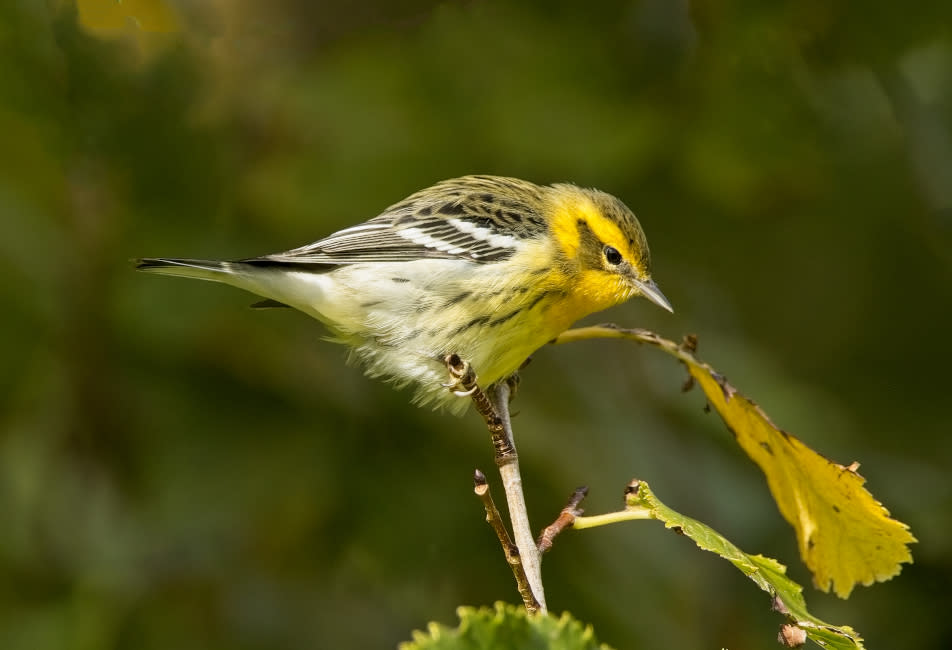 Image credit: birdsonline.co.uk
Birding Apps to Download Before Your Visit
Birding has become more accessible than ever, thanks to a new generation of apps that make identifying and recording wildlife easier - even if you’re a complete beginner. Some popular options include:
Merlin Bird ID
A great choice for beginners, helping identify birds through photos and sounds. This app has become increasingly popular on social media with beginner birders sharing their excitement at birds they can identify in their local habitats.
eBird
Perfect for recording sightings and exploring what other birders have spotted nearby.
BirdNET
Uses sound recognition technology to help identify birds by their calls.
Using apps can add another layer to your visit, turning a walk into a treasure hunt and helping you learn more about the species you encounter.
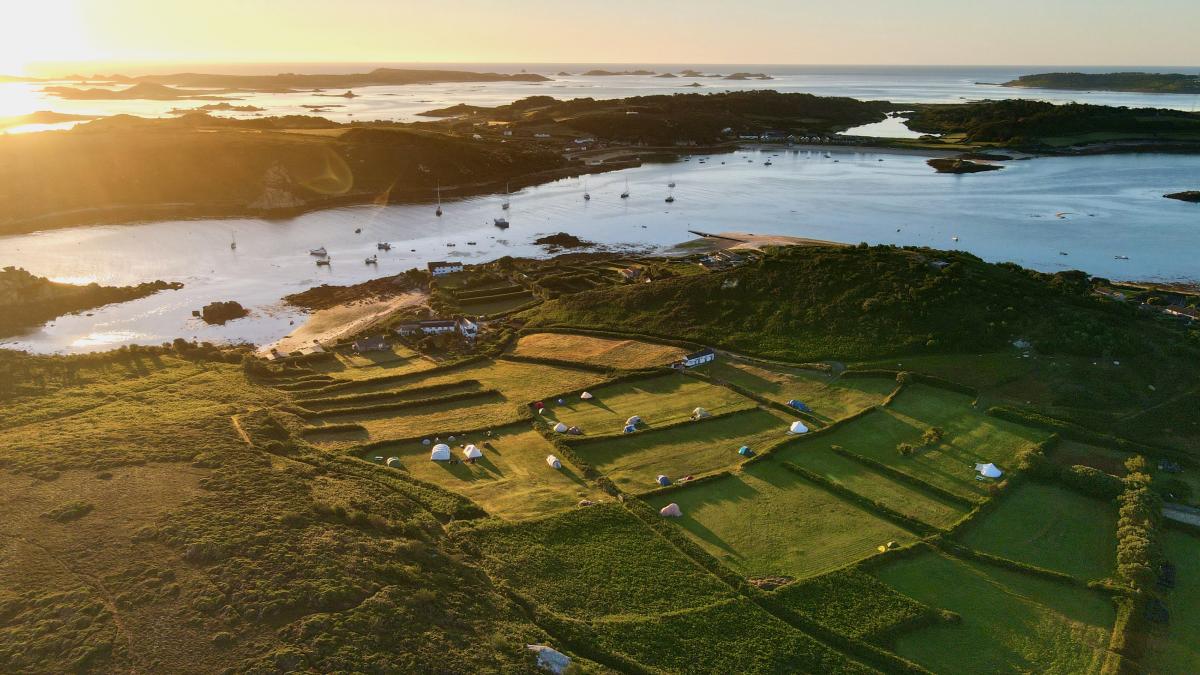 Image credit: Bryher Campsite
Where to Stay: Make Your Birding Trip an Island Escape
One of the best ways to experience birding on Scilly is to stay overnight.
A day trip gives you a glimpse of the islands, but staying for a few nights allows you to experience the quieter moments - early morning walks, peaceful beaches, changing tides and wildlife at its most active.
There are accommodation options to suit every style of traveller, from cosy guesthouses and boutique hotel stays to self-catering cottages and camping under the stars.
For those looking for a closer connection with nature, camping can be a wonderful autumn escape. Waking up to birdsong, stepping outside into fresh sea air and spending evenings beneath Scilly’s dark skies is an experience in itself.
Whether you’re planning a dedicated birding break or combining wildlife with a relaxing island holiday, you’ll find plenty of places to stay across the islands.
Find your perfect place to stay on the Isles of Scilly here, and if you are planning a last-minute escape, click here.
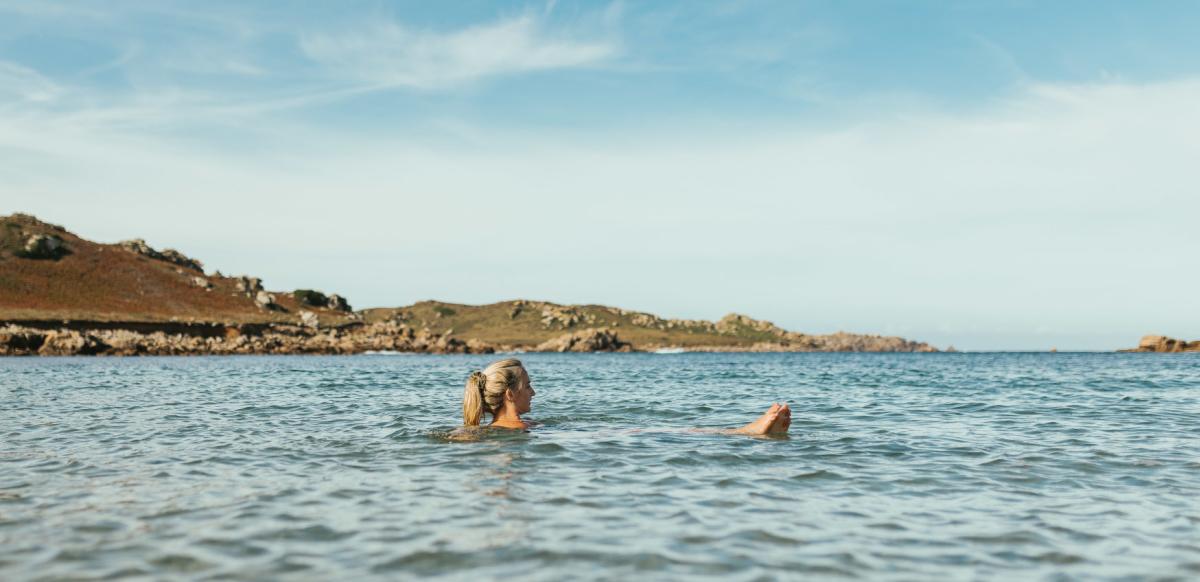 Image credit: Tom Young
Beyond Birding: Slow Adventures on Scilly
Birding is often about noticing the small things - and Scilly is the perfect place to embrace a slower pace. After a morning exploring, spend the afternoon discovering another side of island life.
Take a Wild Swim
The sea around Scilly is beautifully clear, and September can be one of the best times for a swim. Pick a quiet beach, take the plunge and enjoy the feeling of being completely surrounded by nature.
Listen to the Sounds of the Islands
Put the binoculars away for a while and simply listen. The sound of waves rolling onto the shore, seabirds calling overhead and the wind moving through the grasses are all part of the Scilly experience.
Explore by Foot
Wander coastal paths, discover hidden beaches and take your time exploring the islands’ landscapes. Autumn light creates beautiful conditions for photography, with fewer people around and a softer glow across the coastline.
Enjoy Island Life
After a day outdoors, settle into a local pub, enjoy fresh seafood, watch the sunset or simply enjoy doing very little. Scilly is a place where nature sets the pace.
Explore more of what to do on Scilly here.
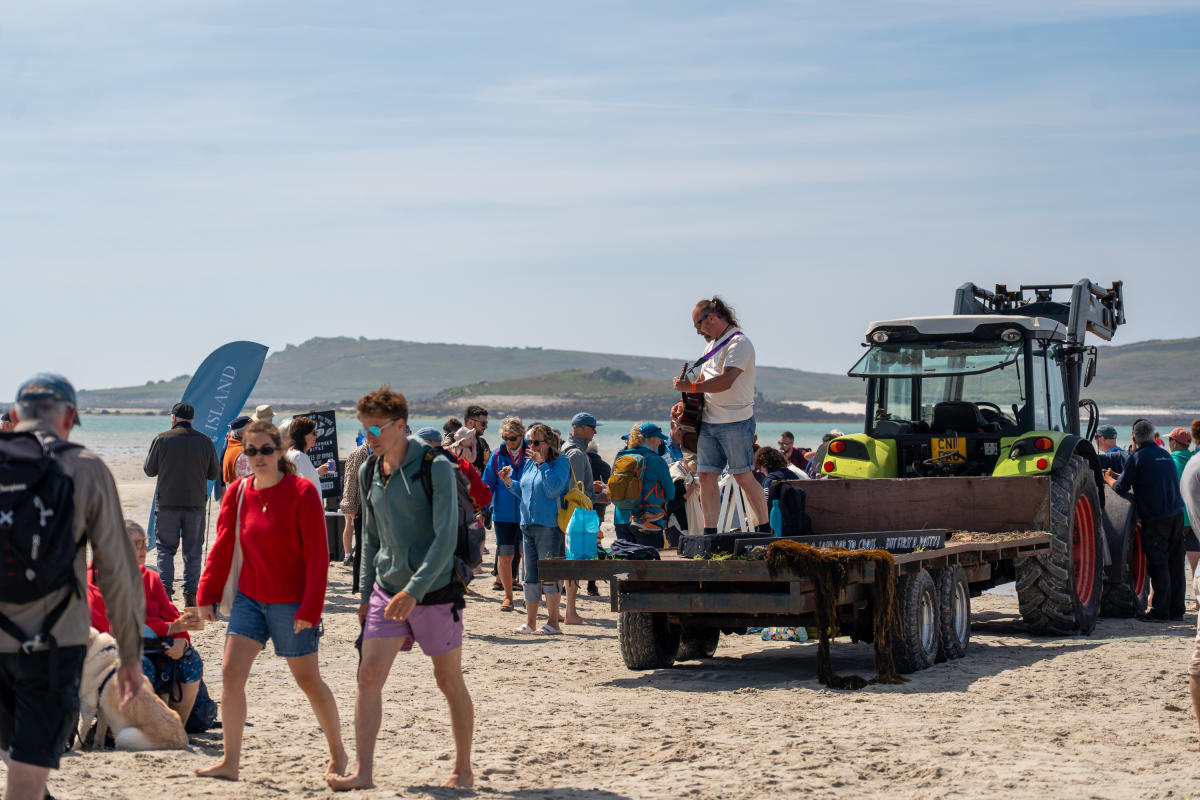 Image credit: Tom Matthews
The Low Tide Event - September 12, 2026
One of the Isles of Scilly's most unique natural experiences, the Low Tide Event, takes place only when the moon and tides align to reveal the seabed between Tresco and Bryher. For just over an hour, visitors and islanders can walk barefoot across the exposed sand, meeting in the middle of the channel for a truly unforgettable celebration before the sea slowly returns. Along the way, you'll find pop-up sand bars serving local drinks and island spirits, freshly caught seafood, live music, local producers and family-friendly activities, creating a vibrant festival atmosphere in one of the most extraordinary settings imaginable. When the tide begins to rise, simply continue your adventure on the neighbouring island before catching a boat back across the very stretch of sea you walked over just hours earlier. It's a magical reminder of the ever-changing beauty of island life and a truly bucket-list experience if you're visiting Scilly in September.
Ready to Discover Scilly’s Wild Side?
Whether you’re an experienced birder searching for your next exciting sighting or simply someone who loves being outdoors, the Isles of Scilly offer a unique autumn escape. Come for the birds, stay for the beaches, the wild swims, the peaceful mornings and the feeling of being somewhere truly special.
September and October are waiting. Plan your autumn adventure now.