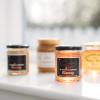
“Try this,” says my companion, handing me a fairy-sized spoonful of velvety, slightly jelly-like, golden honey. “You taste the world.” I drop it slowly into my mouth. It’s spicy, complex yet soothing. Then a hint of eucalpytus gently strokes my palate.
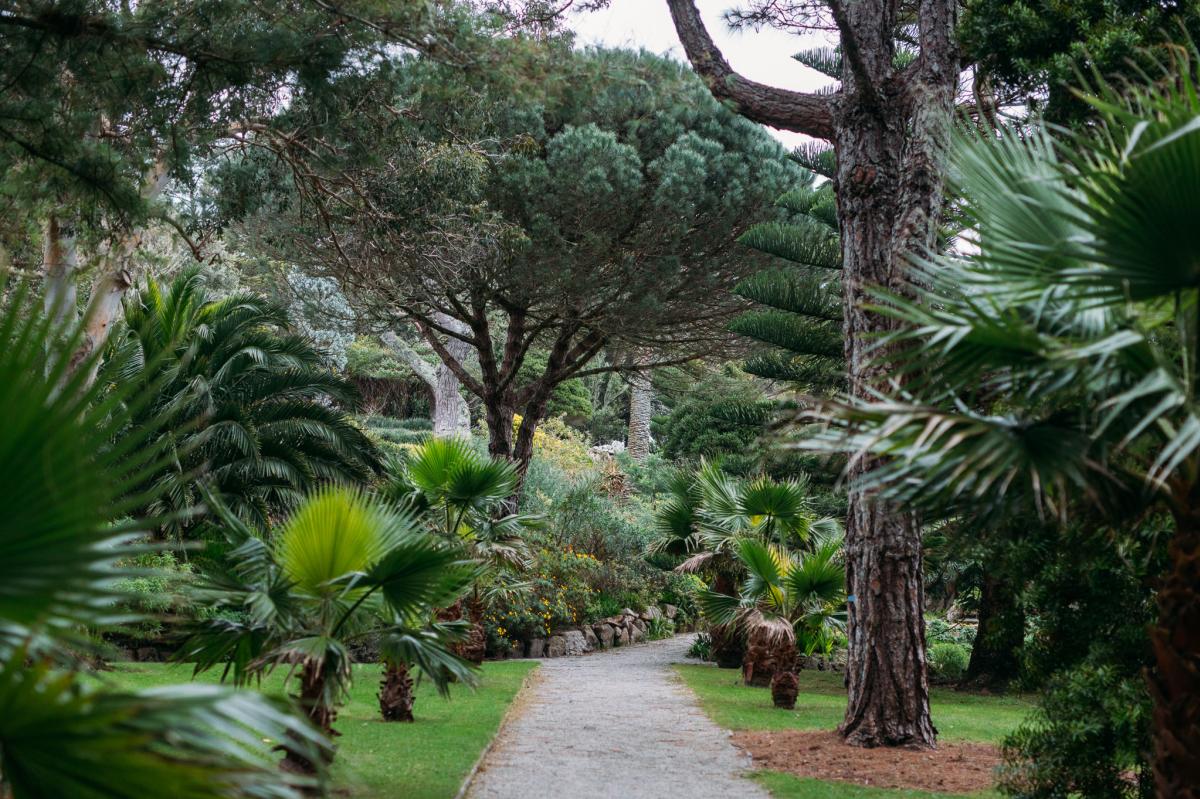
I’m with bee buff Jilly Halliday, whom I’ve already secretly nicknamed Queen Bee. And the ‘world’ she’s referring to is Tresco Abbey Garden, in which we’re standing, which explodes with sub-tropical plants from over 80 countries. Even in late winter, it’s a riot of colour, with flaming torches of jagged-leaved aloes, pretty protea rosettes and tiny pink manuka blossoms. Acacia longifolia is flowering too, its furry yellow lambstail blooms trembling in the breeze, and nearby I spot silky silver trunks of eucalpytus.
“A bee won’t find forage like this anywhere else in the world,” says Jilly, formerly a florist for the Savoy Group, as we weave through the exotic foliage. “I call the honey ‘bonkers honey’.”
With a honey as special as this, it’s little surprise its price tag is pretty special too - around £15 for an eight-ounce jar. “People say ‘How could you pay that for a tiny jar of honey?’,” says Jilly. “But this is liquid gold.”
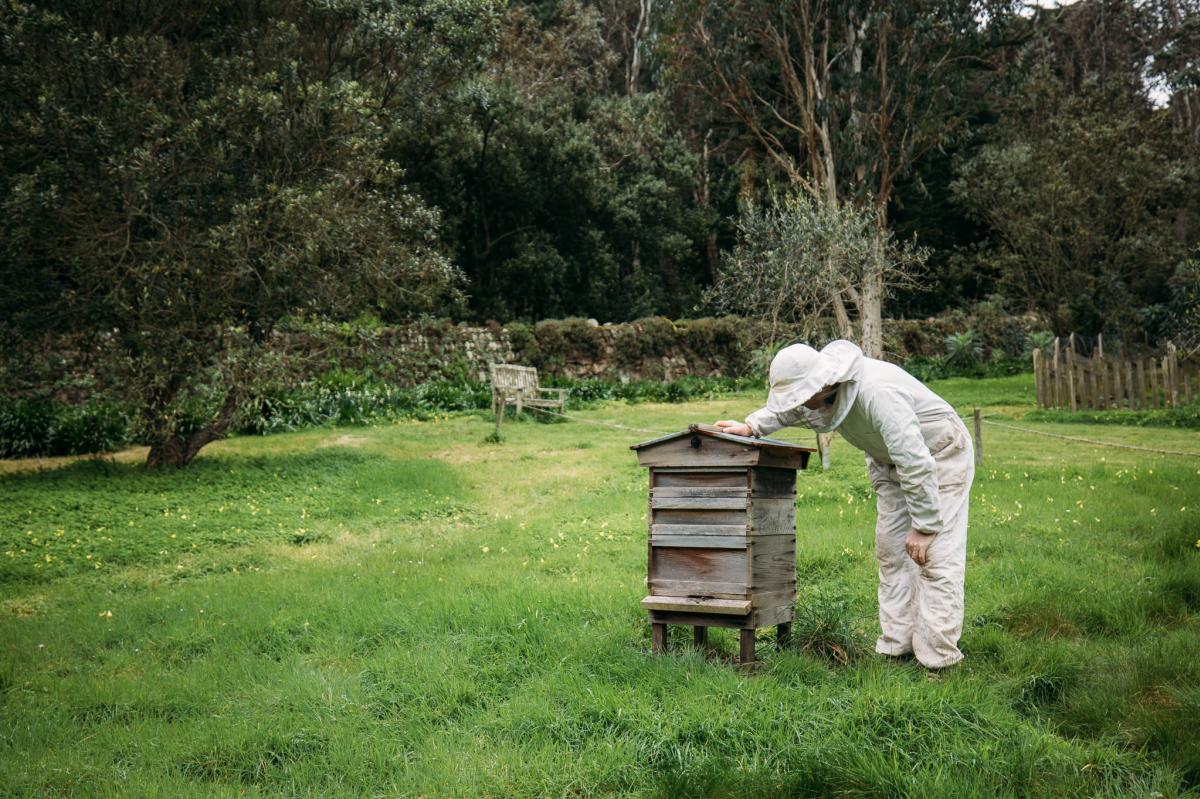
Another reason for the honey’s price tag is its scarcity. There are just five hives in Tresco Abbey Garden, nestled among olive trees beside the vegetable plots. They’re managed by head gardener Andrew Lawson who also helped Jilly establish two of her own hives; the bees from those help pollinate native apple trees that this spring will become a community orchard.
But it’s the hive just outside the Abbey Garden, that for me has the dreamiest setting - a clearing known as Rowesfield that’s sheltered by a string of rustling Monterey pines. The hive has an unusual casing - a whisky barrel - and is owned by Andrew Walder from St. Martin’s who uses its honey to flavour his Honey Spiced Rum. But it’s not just here for its precious harvest. Researchers are training cameras on it to observe the bees’ behaviour, and the islands’ schoolchildren come here to learn about bees and other pollinators.
In all, Tresco has eleven hives, eleven being the ‘magic’ number that Jilly believes a Scillonian island can sustain; fewer and you risk inbreeding, more and the bees risk depriving other pollinators of forage. “Honey is a wonderful thing,” she says. “But we mustn’t produce it at the expense of other insects which also feed on the nectar and use the pollen to fertilise a wide range of plants. It’s about balance.”
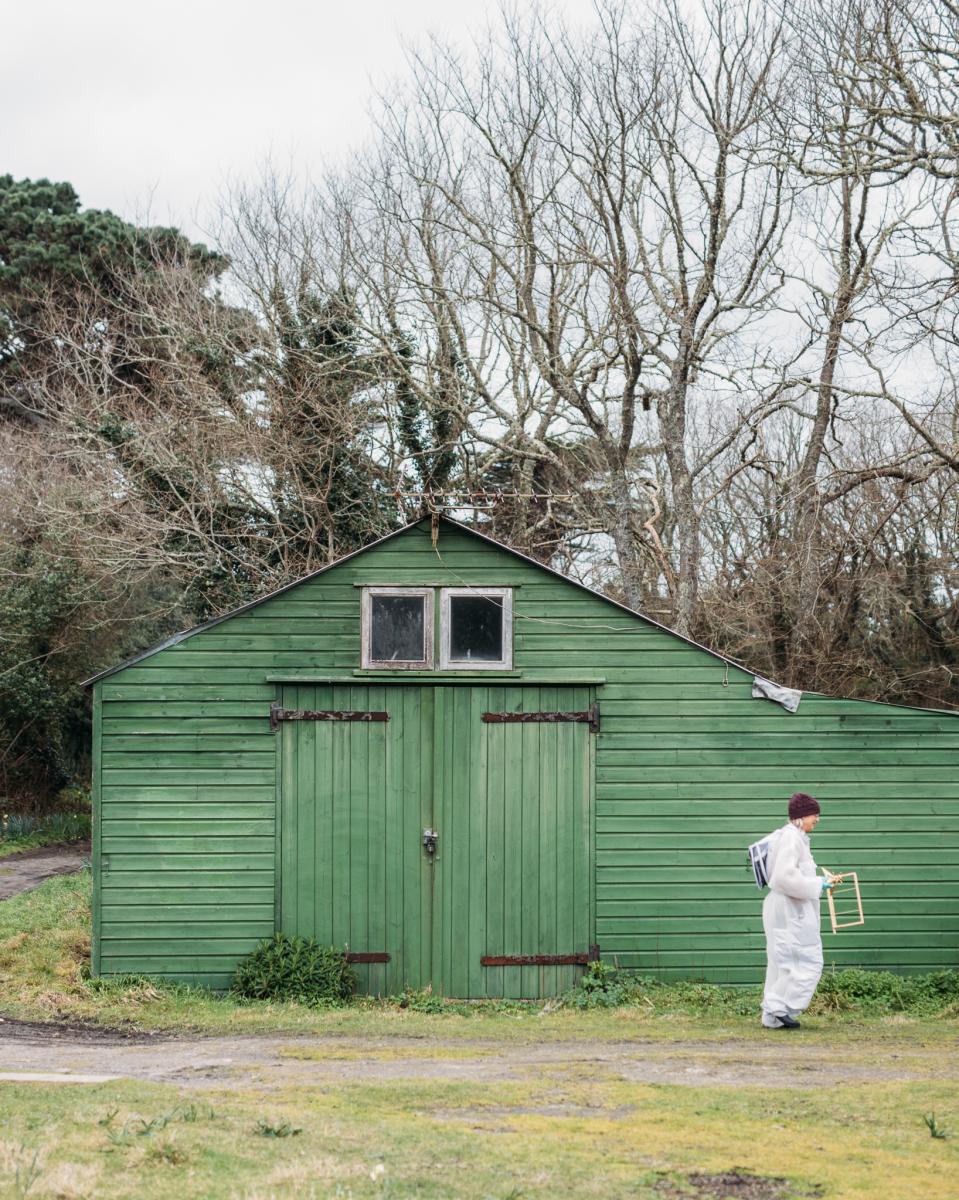
To achieve that balance, in 2021 Jilly established The Scillonian Honey Bee Project. Another aim was to save Scilly’s native dark honey bee. “Our honey bees are relatively pure and resilient,” she says. “They’ve adapted to Scilly’s particular weather conditions. For example, they have darker and longer fur, which keeps them warmer and allows them to collect nectar in cooler weather. I even saw bees flying during February’s storms!”
The best way to save Scilly’s native honey bees is to avoid importing bees, says Jilly. Thanks to their isolation, Scilly’s bee colonies are lucky enough to be free of the varroa mite, a claim that can only made by two other islands in Britain, the Isle of Man and Scotland’s Colonsay. To ensure Scilly’s bees stay that way, she’s calling on the Government (with Duchy backing) to make imports from anywhere other than these two varroa-free islands made illegal.
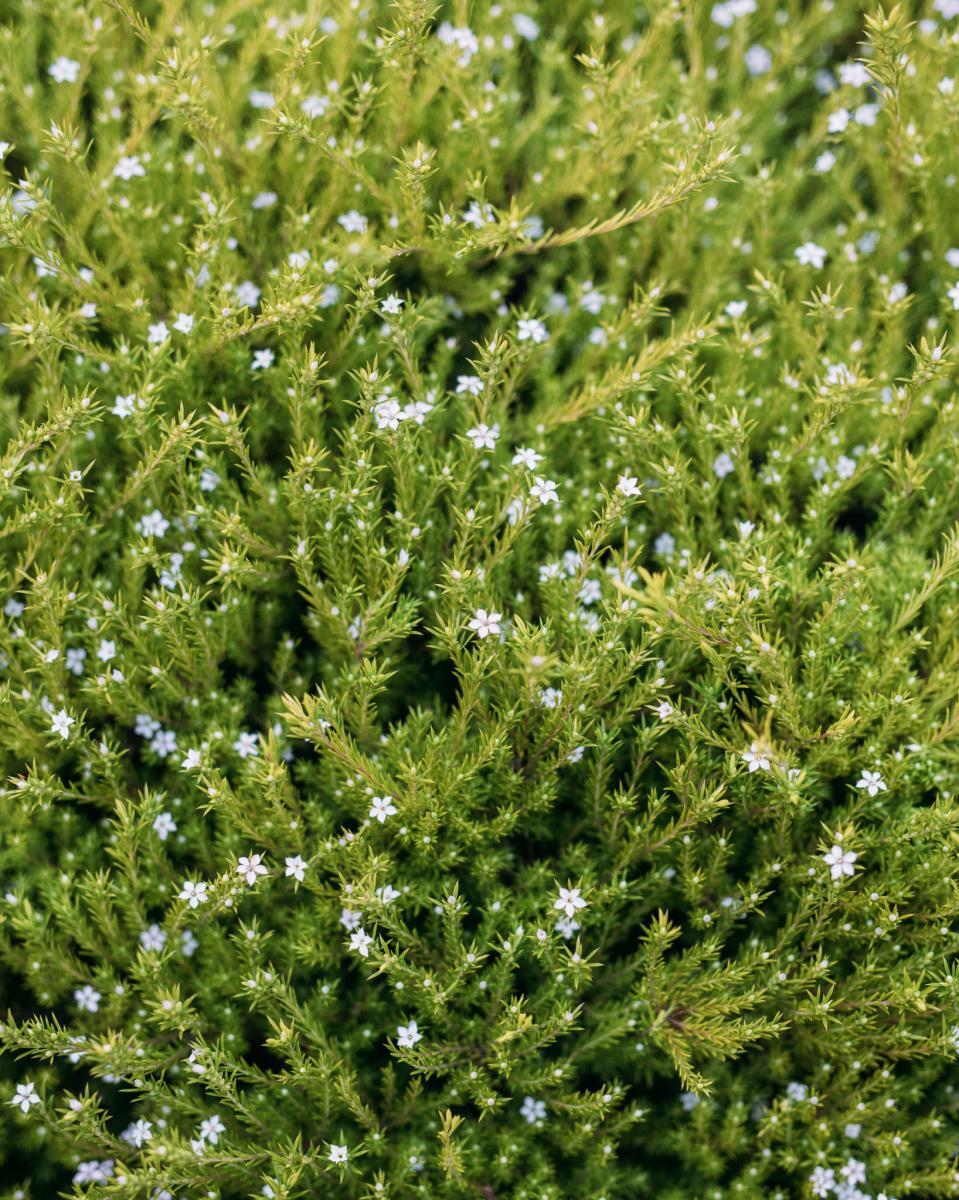
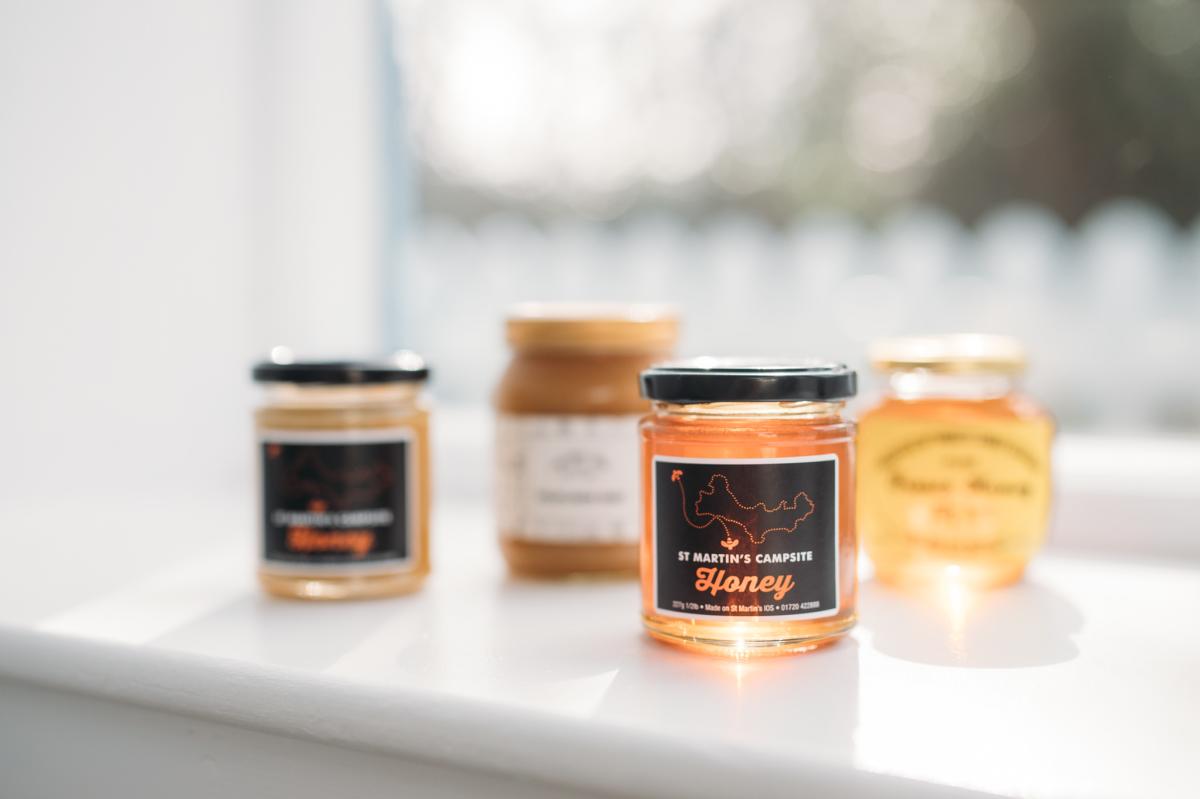
Another of the Project’s goals is to enable beekeepers on the different islands to talk to each other and share experiences. “Each beekeeper’s local conditions are different, so their honey is too,” says Jilly.
At Hillside Farm on rugged Bryher, Ruth Eggins’ honey bees forage on a fabulous mix of grassland flowers, gorse, brambles and heather, all of which flavour her honey. She is careful to remove only the honey that’s not needed by her bees over winter, so it’s a sparse resource that she sells to Issy Tibbs at Veronica Farm to make honey fudge. Above all, Ruth appreciates the important role that her bees and other insects play in pollinating the farm’s chemical-free vegetable and fruit crops, including apples, strawberries and hot chillies, which are turned into jams and sauces.
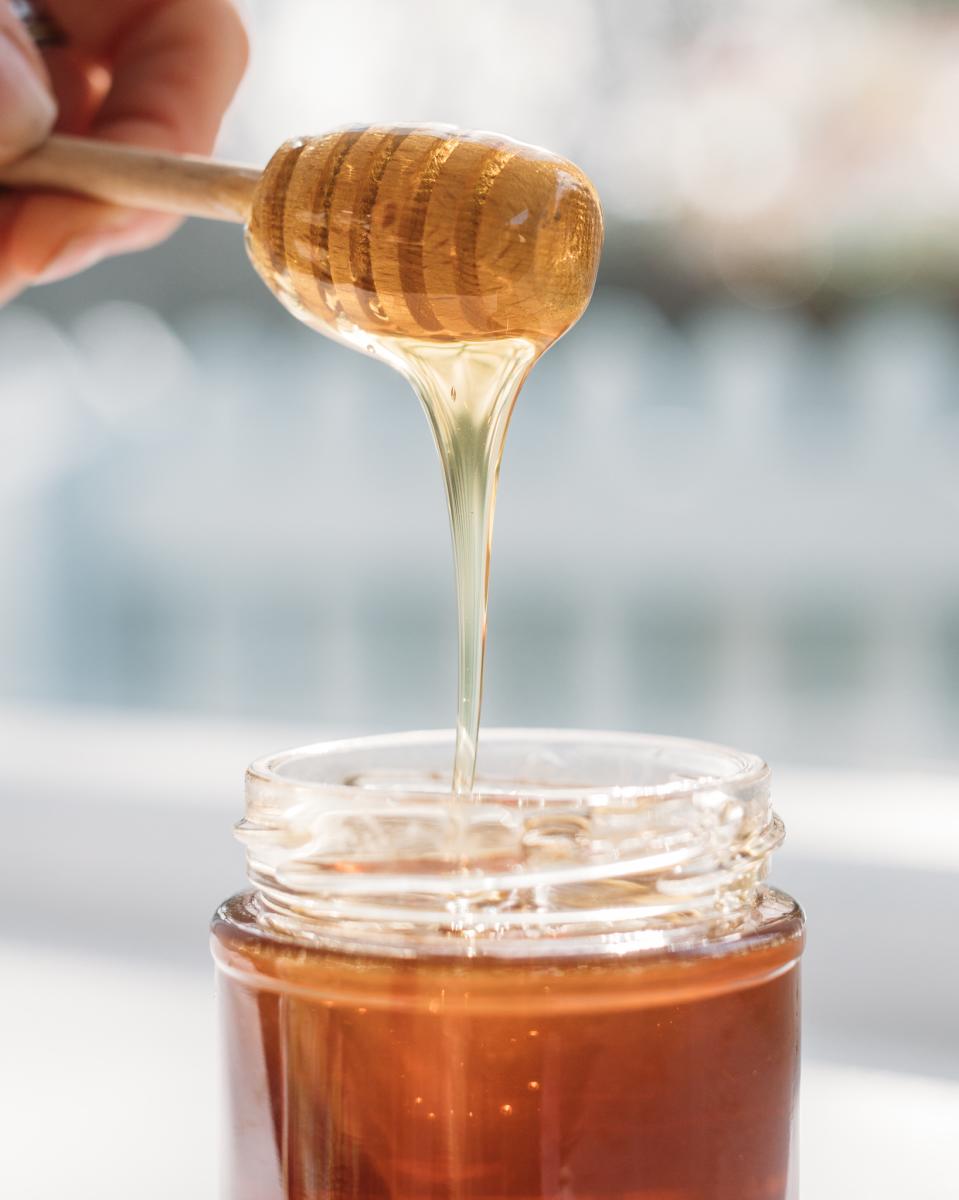
On St. Martin’s, pittosporum is the dominant flavour of the honey produced by beekeeper Ben Gillett. The pittosporum protects the bees (and islanders’ crops) from winds and, as it flowers early, provides great spring forage. It, along with brambles and daisies, produces a fresh, zingy golden honey whose fans include chef Rick Stein who featured Scilly’s beekeepers in a BBC Two TV series. In fact, he liked it so much he made Ben’s precious honey the star ingredient of a luxurious sponge pudding.
Ben bought his first bees from Mike Hicks, at Westward Farm on St. Agnes, who has had hives for decades. His bees are vital to help pollinate his apple trees whose fruits he turns into juice and cider. He uses their caramel-hued honey to flavour his gins too. But some years, there is none; in fact, this year is the first year for three years that Mike has had any to sell. At Salakee Farm on St. Mary’s, Kylie and Dave Mumford adopt a similar stance, seeing bees as an integral part of the workforce in their organic market garden, and honey a bonus rather than an expectation.
It’s not just the Scillonian honey bee that Jilly is desperate to preserve though. Equally important are other pollinators such as solitary bees, hoverflies, wasps, moths and butterflies. Scilly also has its own native bumble bee - a ginger-furred sub-species of the Moss Carder bee - but sadly it’s not been sighted since 2012. This summer the Bee Project will join forces with Exeter University to conduct a major insect survey to get a comprehensive picture of what’s on the archipelago.
But saving Scilly’s pollinators is not just the responsibility of beekeepers, says Jilly. “As islanders we can all try to avoid using pesticides, which can kill bees, and leave verges and garden areas uncut so that wildflowers, which bees and other insects feed on, can flourish,” she says. “Visitors can help by buying organically grown produce, or donating to the Isles of Scilly Wildlife Trust or to our Crowdfunder campaign.”
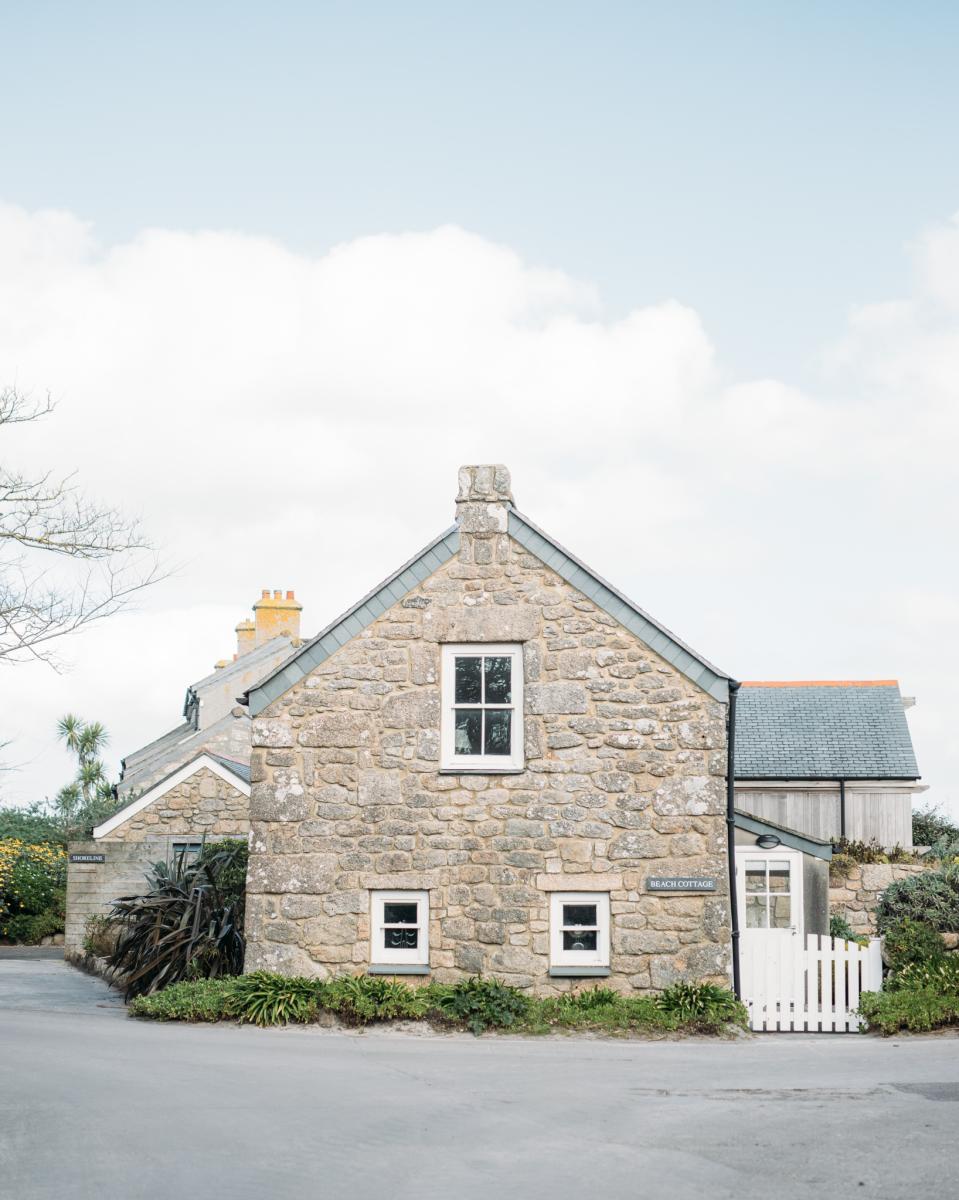
When it comes to buying honey, Jilly says love it and eat it, but not too much. I might not taste another spoonful for a while, so I feel hugely lucky to have tried it.
Tresco Island / Tresco Abbey Garden
Image credit: adjbrown.com